



International Conference on

Future of Healthcare

Igniting Ideas – Reshaping Healthcare

registration@fhcc2026.com

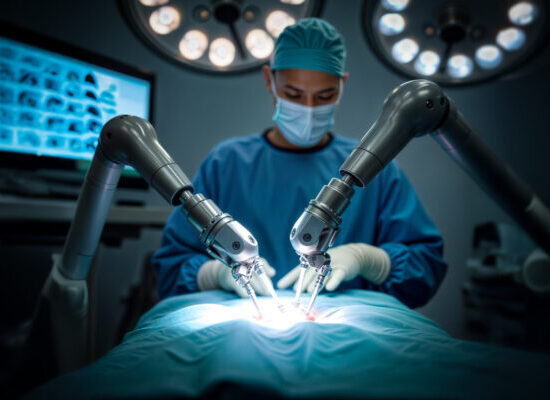
Anadvanced surgical robot concept, performing an operation, guided by a doctor in a modern operating room. Innovative medical technology showcasing the future of surgery.

ABOUT FHCC 2026

Healthcare is continually reshaping due to technological advancements and the evolution of life forms. An interplay of various species in a rapidly changing environment shapes our response to the complexities of life. Humans are constantly working on innovative solutions to address evolving healthcare challenges and realigning the development priorities to engineer the future of health. Inequalities in access to technological advancement create vast disparities in the development paradigm across regions.


The Future of Healthcare offers a platform to build a shared vision for resilient health futures that reduce inequities in technology access and evaluation, and transform human capital. FHCC2026 recognizes that future health challenges will continue to arise at the intersections between species, technologies, environments, and societies.


Transformative breakthroughs often emerge from the unknown. COVID 19 was not only an outbreak but also a revelation of global unpreparedness, as reflected in the catastrophic loss of life worldwide.


The unknown will continue to drive discovery. FHCC2026 will convene scientists, clinicians, technologists, policymakers, and innovators to confront uncertainty and work together to shape an equitable, resilient, and prepared future of health.


– The future of health is not a destination, but a journey of continued evaluation.

FHCC Conference Updates

FHCC 2026 | 29–30 October 2026

Advancing Healthcare Innovation

Join the Conversation

FHCC 2026 | 29–30 October 2026

Advancing Healthcare Innovation

Join the Conversation

Thematic Areas

Across all eight themes, the overarching objective is to create a vibrant community of practice: share knowledge openly, build meaningful networks, meet and learn from leading experts, keep pace with the latest innovations, and provide a stage to showcase your work for feedback and collaboration. Each theme below is structured to deliver these outcomes through carefully curated sessions, demos, and engagement formats.

Precision Medicine
Precision medicine tailors prevention, diagnosis, and treatment to each person’s biology and lived context. Digital biomarkers from wearables and sensors enable continuous monitoring, while companion diagnostics match patients to targeted interventions at the right dose and time. Real-world evidence from EHRs and registries closes the efficacy–effectiveness gap through learning health system feedback loops.
Regenerative Medicine
Regenerative medicine harnesses living cells to repair, replace, or reprogram tissues—spanning autologous and allogeneic cell & gene therapies, iPSC-derived tissues, in vivo/ex vivo gene editing, engineered immune cells for cancer, autoimmunity, and rare disorders, and smart biomaterials that restore organ function. Translational pipelines connect organoids, organ-on-chip models, and 3D bioprinting to clinically ready products across musculoskeletal, cardiac, neurologic, hepatic, renal, and skin indications, while clinical delivery is anchored in GMP biomanufacturing, release testing, validated potency assays, and robust cold-chain logistics to ensure quality and safety.
Genomics
From molecular biology to organ‑level function, this theme centers genomics as the engine of a unified precision pipeline that integrates proteomics, bioengineering, and regenerative medicine. Breakthroughs span single‑cell and spatial multi‑omics that map tissues in 3D; AI‑assisted variant interpretation and companion diagnostics that match patients to targeted therapy; CRISPR and next‑gen editing for precise correction; and cell & gene therapies (e.g., CAR‑T) that reprogram immunity. Organoids, organ‑on‑chip, and bioprinting model disease and accelerate translation, while “Programming Biology for Cure” advances genetic, cellular, and RNA‑based therapeutics for cancer, inherited disorders, and drug‑resistant infections. Together, these capabilities enable earlier detection, finer stratification, and truly personalized interventions that move seamlessly from bench insights to bedside impact—guided by robust ELSI frameworks to ensure equity, safety, and trust.
Tech for Life
Tech for Life puts human well‑being at the center of innovation, using AI decision support, collaborative robotics, wearables, telemedicine, and digital therapeutics to deliver care that is more accessible, proactive, and personalized. It spans hospital and home: edge‑AI and smart sensors enable continuous, privacy‑preserving monitoring; robotics assist with procedures and rehabilitation; and interoperable telehealth connects patients to teams across distances—even in low‑bandwidth settings. Regulated software‑as‑a‑medical‑device and evidence‑based digital therapeutics complement drugs and devices, while neurotech, implantables, and biosensors expand options for disability support and chronic‑disease management. The theme embeds human‑centered design, usability, and inclusive access (language, affordability, accessibility features) alongside strong governance—security by design, data minimization, transparency, and interoperability standards—to earn trust.
The Future of Data Science
Data science is shifting from model-centric experimentation to interoperable and real-time systems that drive decisions in health, climate, and public services. Next-generation platforms will fuse multimodal data (text, images, sensors, genomics) with causal inference and counterfactual evaluation to move beyond correlation. Edge computing and civic digital infrastructure will support low-latency analytics at scale, while open standards and public registries make models portable and accountable.
One Health: Interconnected Futures
This theme advances an integrated agenda across human, animal, plant, and environmental health—showing how to design and operate cross-sector surveillance that links clinical laboratories, veterinary and plant health systems, and environmental monitoring. It foregrounds antimicrobial resistance stewardship across agrifood and clinical settings, and strengthens prevention and preparedness for zoonoses through risk reduction, early detection, and continuous, integrated monitoring. Recognizing climate change’s impact on disease dynamics, it embeds One Health approaches into adaptation and mitigation, building climate-resilient health systems and early warning networks. The program also anchors actions in sustainable food systems—curbing deforestation, reducing unnecessary antimicrobial use in agriculture, restoring ecosystem health, and innovating supply chains and climate-resilient crops—to lower AMR risks, protect biodiversity, and improve nutrition and public health outcomes. Throughout, early warning platforms that fuse laboratory results, genomics, and satellite data will be showcased to enable faster, smarter decisions.
Human Capital for Health
This theme explores modern licensure and credentialing pathways, competency-based education, and continuous professional development (including simulation and digital upskilling) to keep clinicians practice-ready. It prioritises staff wellbeing—addressing burnout through safe staffing norms, supportive supervision, mental health services, and flexible scheduling—and aligns incentives for rural and hard-to-reach postings through fair pay, housing, and career progression.
Sustainable Health Infrastructure
Design resilient, low-carbon health systems that keep care safe and accessible under climate stress and supply shocks—across facilities, utilities, supply chains, and digital backbones. The theme spans smart hospitals (interoperable EMRs, IoT, AI), energy-efficient buildings (daylighting, zoned LEDs, advanced HVAC with heat recovery and automation), greener procurement (reusable/sterilisable instruments, low impact materials, recyclable packaging), and rigorous waste programmes (segregation, training, non-incineration, recycling, take back, dashboard tracking). It also advances low-carbon pharma via green chemistry, solvent recovery, continuous processing, renewable power, optimised cold chains, and supplier engagement to cut Scope 3—delivering safer care with a smaller footprint.
Climate Change
This theme explores how climate change is rapidly reshaping the future of healthcare, presenting unprecedented challenges alongside urgent opportunities for transformation. Rising temperatures, extreme weather events, and shifting disease patterns are driving increases in heat-related illnesses, respiratory conditions, vector-borne diseases, and mental health stressors. At the same time, healthcare systems themselves are significant contributors to global emissions—prompting a critical rethink of how care is delivered. From energy-efficient hospitals and climate-resilient infrastructure to sustainable supply chains, telemedicine, and low-carbon service models, the future of healthcare will depend on its ability to adapt, innovate, and build systems that safeguard both human well-being and the planet.
Why Attend FHCC 2026

Driving Healthcare Innovation with Real-World Impact

Join global healthcare leaders and innovators at a landmark event shaping the future of medicine.

Global Collaboration & Partnerships
Connect with policymakers, innovators, and investors to build cross-border partnerships that turn ideas into impactful healthcare solutions.
Innovation Across the Health Ecosystem
Explore cutting-edge advancements in human, animal, and planetary health shaping the future of sustainable healthcare systems.
From Insight to Implementation
Translate research, policy, and innovation into scalable solutions that deliver measurable outcomes in real-world settings.
IMG-20251016-WA0018

FHCC 2026 is built on the first-ever international conference on the Future of Healthcare, held in Pakistan on 30-31 October 2025. This year’s conference will unlock human potential for planetary well-being and our readiness to engage with the paradigm shift from One Earth to a multiverse.


Join us to reshape the future of our health and beyond.

Time Is Ticking – Don’t Miss FHCC 2026

Join Us at the Conference — Secure Your Spot Before Time Runs Out

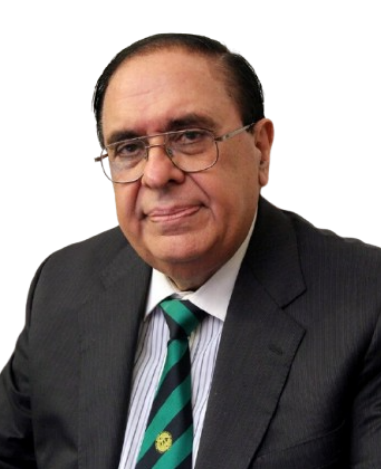
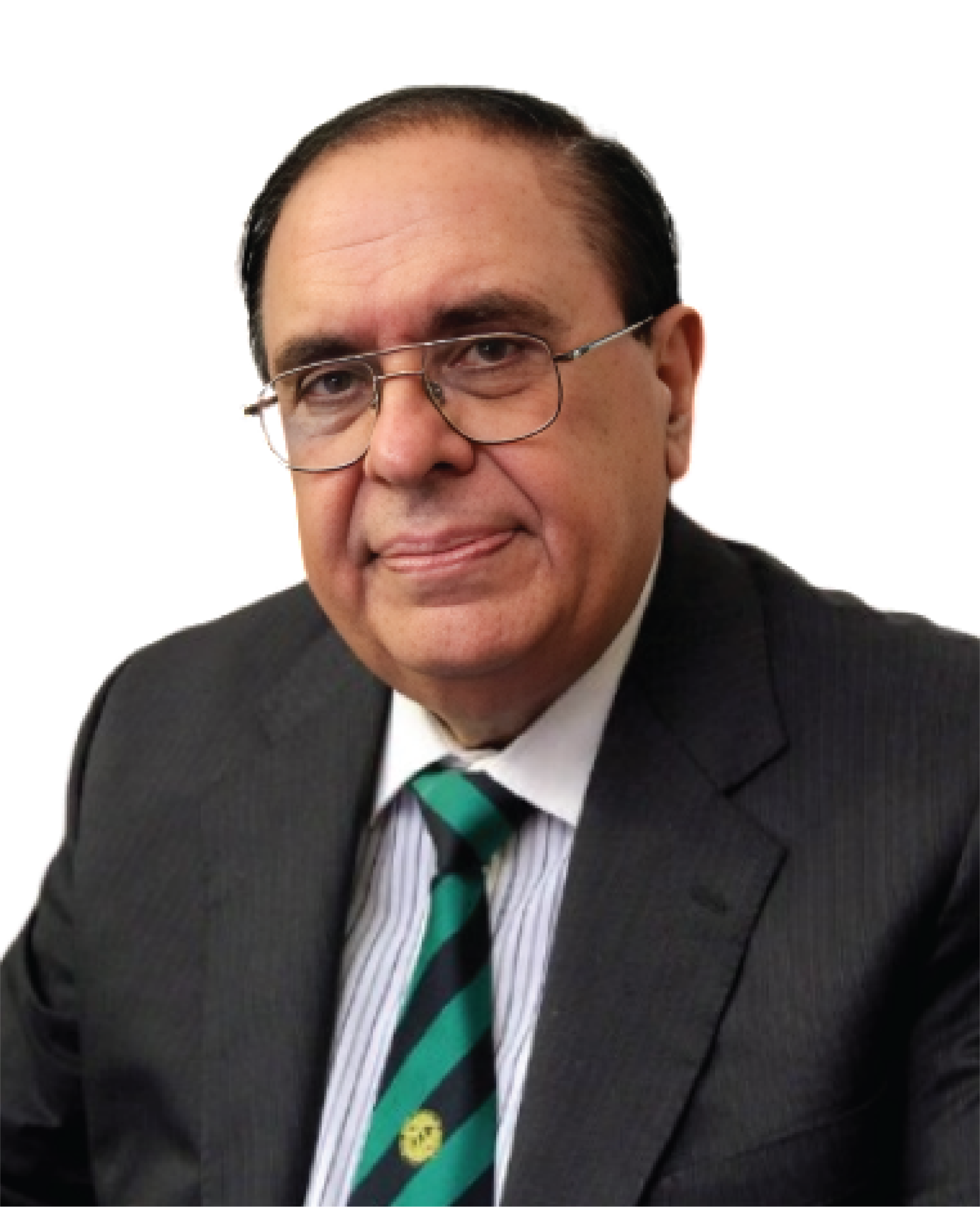
Distinguished Chief Guest

Prof. Dr. Atta-Ur-Rahman
FRS, N.I., H.I., S.I., T.I.
He is a globally acclaimed scientist and educationist, renowned for his outstanding contributions to organic chemistry and higher education reform in Pakistan. With over 1,300 research publications and 83 books, he is a pioneer in natural product chemistry and the first Muslim scientist to receive the UNESCO Science Prize. He has served as Federal Minister for Science & Technology and Chairman of the Higher Education Commission, and is a Fellow of the Royal Society (London), one of the highest honors in science.
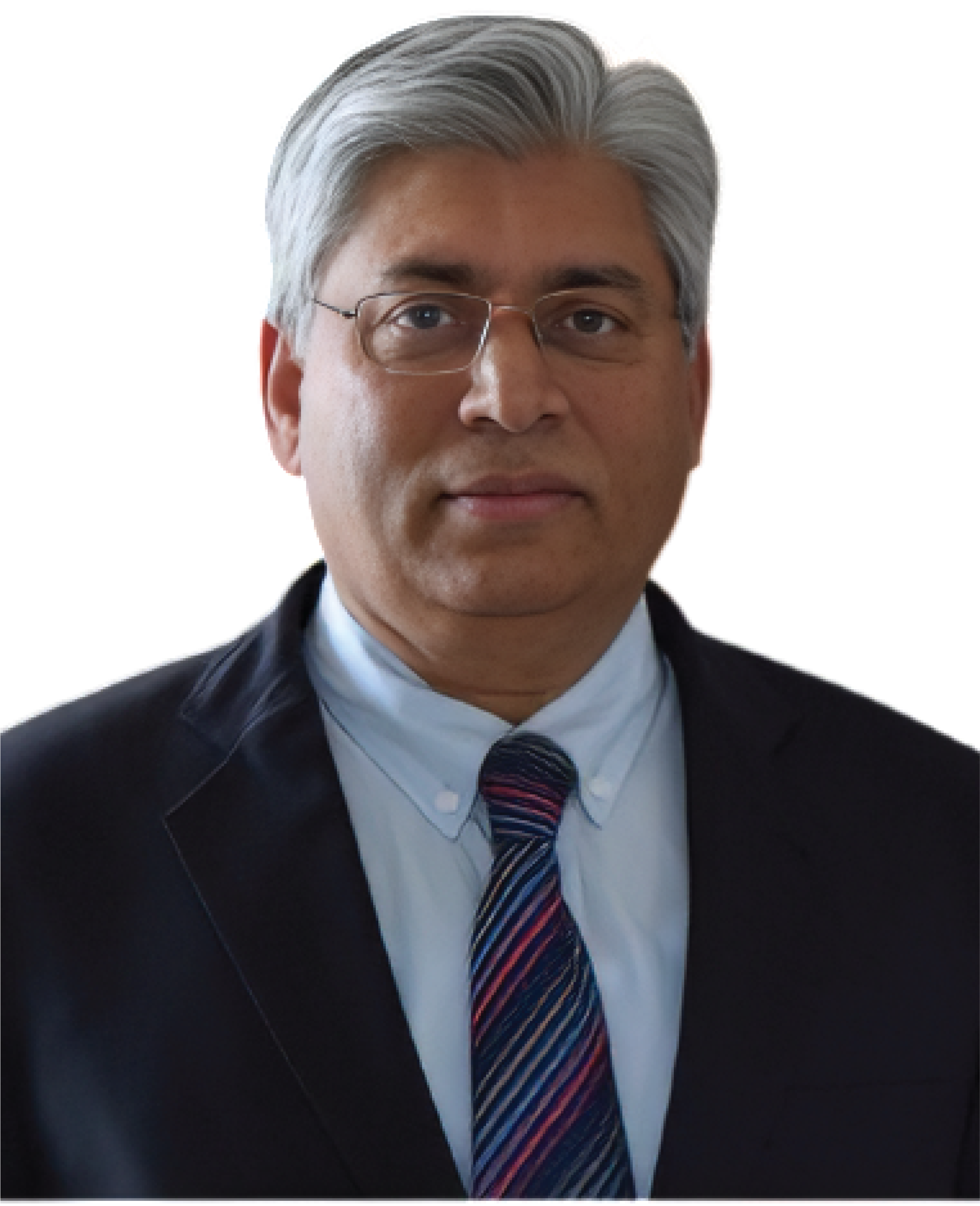
Distinguished Keynote Speakers

Dr. Sulaiman Shahabuddin
President and Vice-Chancellor​
The Aga Khan University
Prof. Dr. Mohammad Mujahid
Rector, Pak Austria Fachhochschule: Institute of Applied Sciences and Technology

Dr. Kauser Abdulla Malik
H.I., S.I., T.I, PhD (Microbiology UK), Fellow PAS
Ronald Lavater
MPA, FACHE Chief Executive Officer, International Hospital Federation (IHF), Geneva Leadership for Low Carbon and Resilient Hospitals
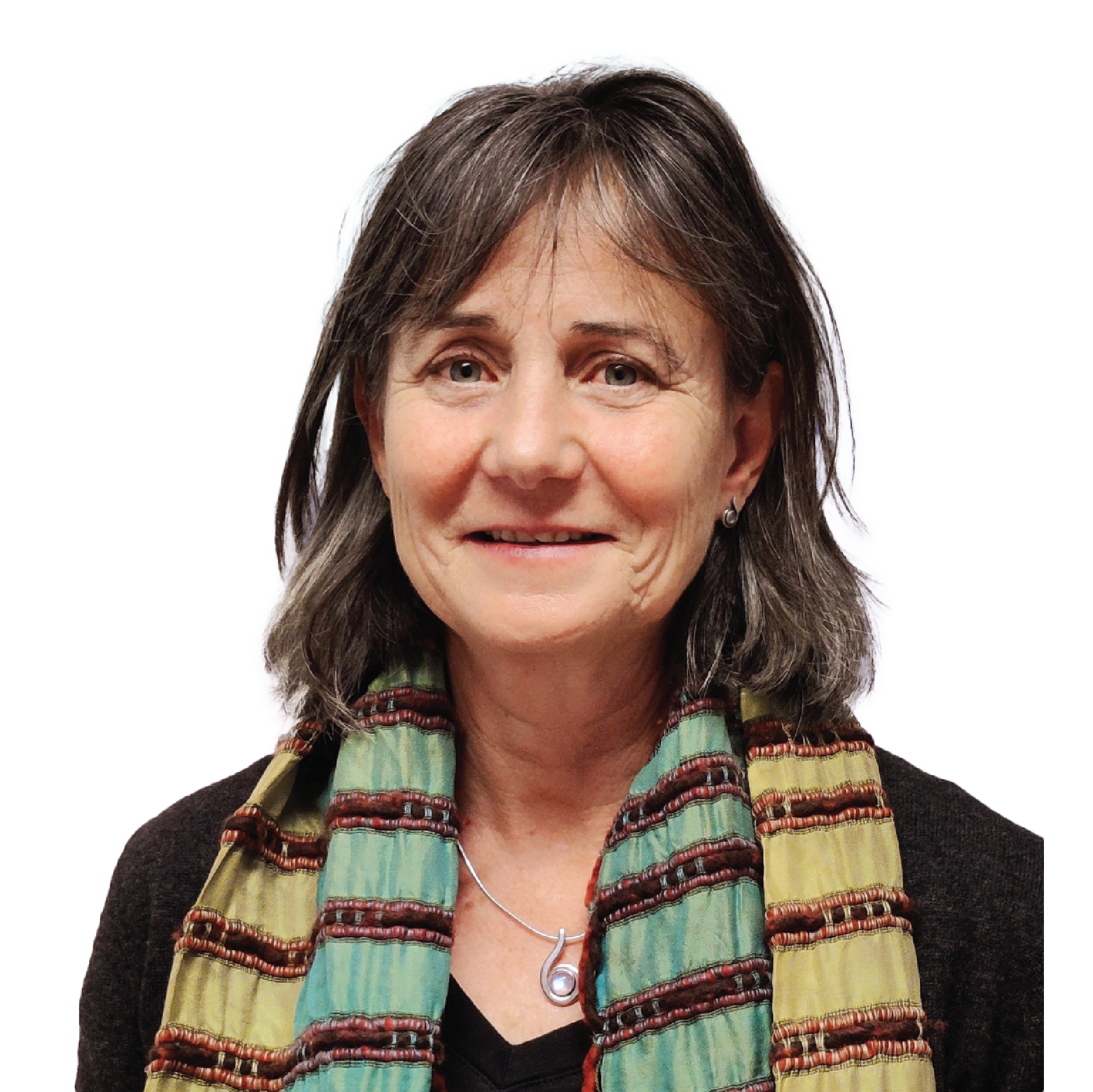
Sonia Roschnik
Executive Director Geneva Sustainability Centre, Geneva

Panels Keynote Speakers

Panel 1 – Creating Enabling Environment for Moving into the Future of Healthcare

Dr. Jasim Anwar
MBBS, MApSc (USYD), PhD (UNSW Sydney)
Dr. Saeed Akhtar
MD, MPH, FACS, Chairman of the Board of Governors at Pakistan Kidney and Liver Institute & Research Center, Primer Minister’s Focal Person for Hepatitis C elimination in Pakistan

Mr. Hamed Yaqoob Sheikh
Federal Secretary, Ministry of National Health Services Regulations & Coordination, Government of Pakistan

Khurram Khalid Ilyas
Country Manager
Roche Diagnostics Pakistan & Afghanistan
Vasoontara S. Yiengprugsawan
Senior Universal Health Coverage Specialist
(Service Delivery) Health Practice Team, Human and Social Development Office Asian Development Bank, Manila
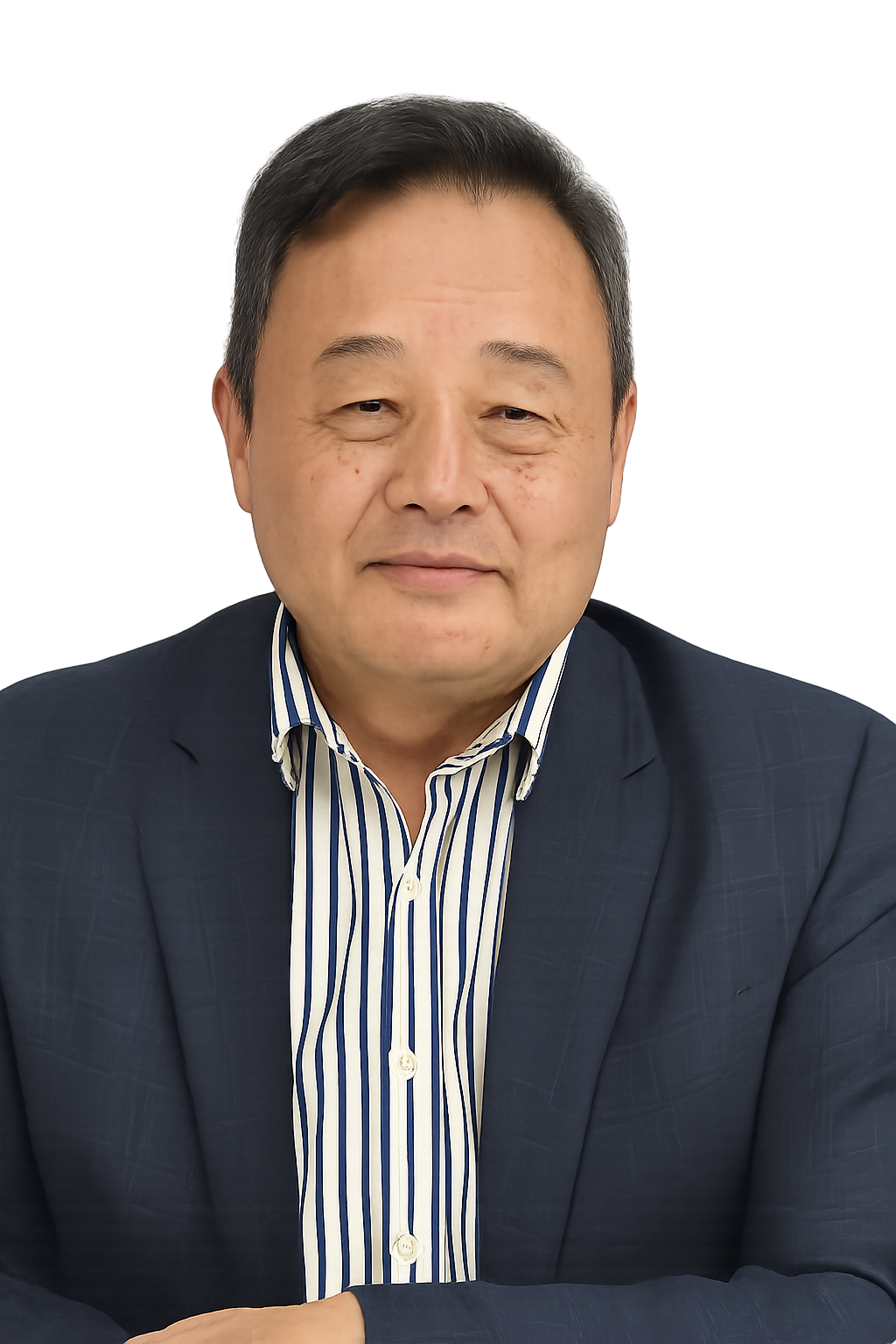
Dr Luo Dapeng
WHO Representative in Pakistan
Panel 2 – Reshaping Precision Medicine through Technological Evolution

Maj Gen (R) Tassawar Hussain
Professor & Assoc Dean, Foundation University Medical College
MBBS, MCPS, FCPS (Pak), MRCP (UK), FRCP (London)
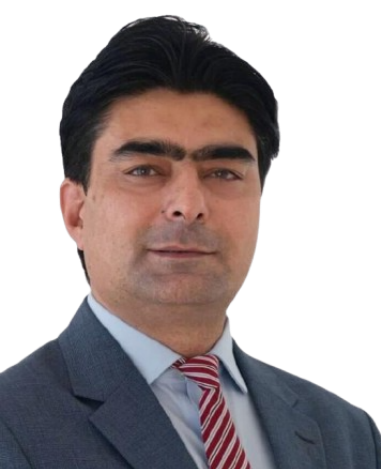
Dr. Yasir Parviz
UK Board-Certified Interventional Cardiologist
MBBS, MRCP (UK), MRCP (Lon), CCT (medicine, cardiology), FACC, FRCP, MSc, Ph.D.
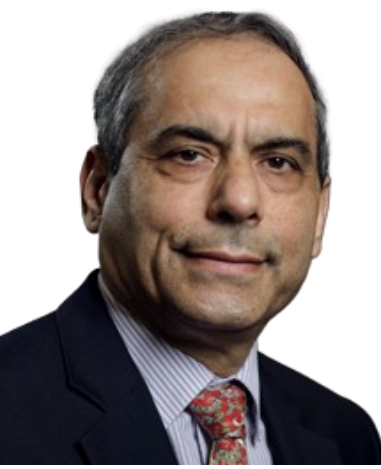
Dr. Naveed Afzal
Consultant Urologist, da Vinci Robotic Surgeon & MDT Chair UK
MBBS, FRCS, FRCS (Urol), Dip Urol.
Dr. Zahra Hoodbhoy
Associate Professor (Research)
MBBS, MPH, PhD (Population & Public Health)
Prof. Dr. Farah Naz Qamar
Prof., Dept. Paeds and Child Health, AKU
MBBS, DCH, FCPS (Paeds), Masters (Clinical Res), FRCP (Edin), PhD
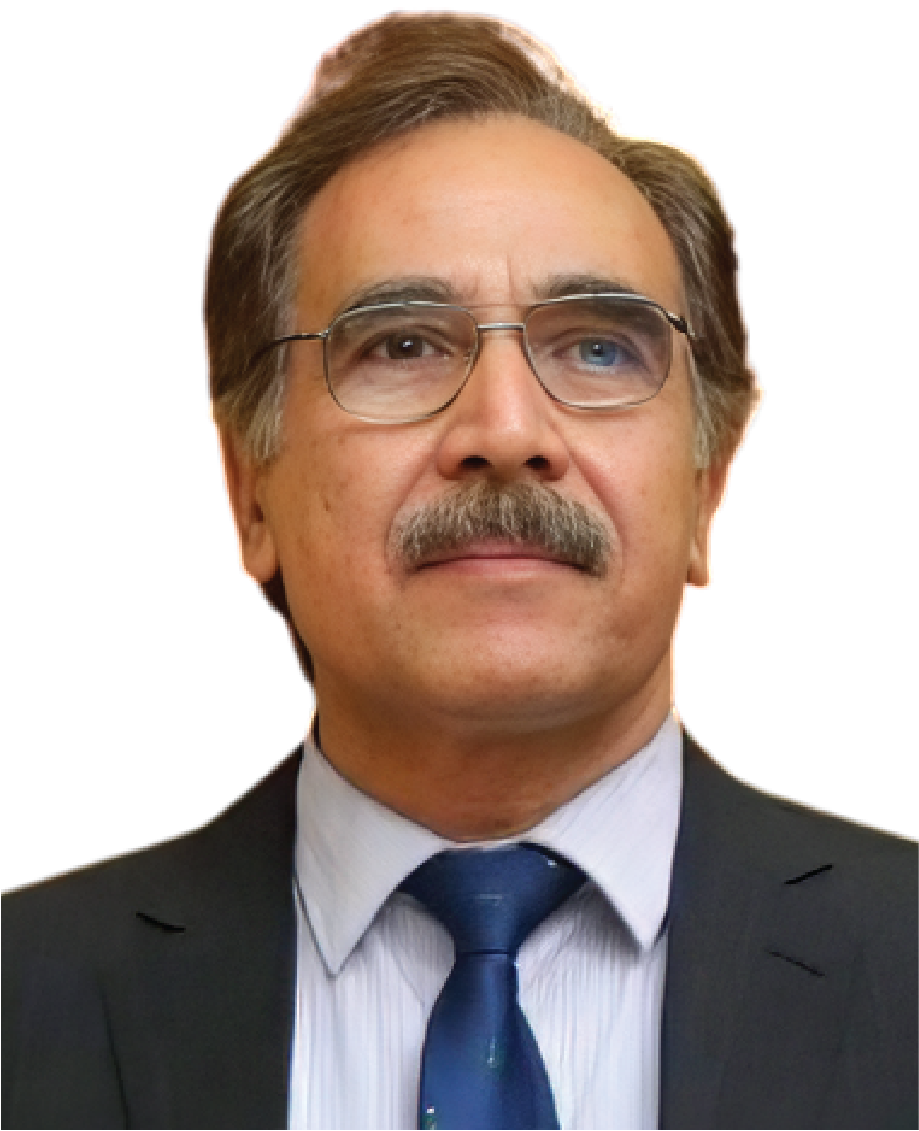
Panel 3 – Decoding the AT&CG of Life: Genomics, Personalized Medicine and Precision Public Health

Dr. Shahid Mehmood Baig
Hilal-i-Imtiaz, Sitara-i-Imtiaz
Advisor OIC-COMSTECH - Dean Life Science, HSA

Dr Ambrin Fatima
Assistant Professor
PhD Human Genetics, Centre for Regenerative Medicine and Stem Cell Research, AKU
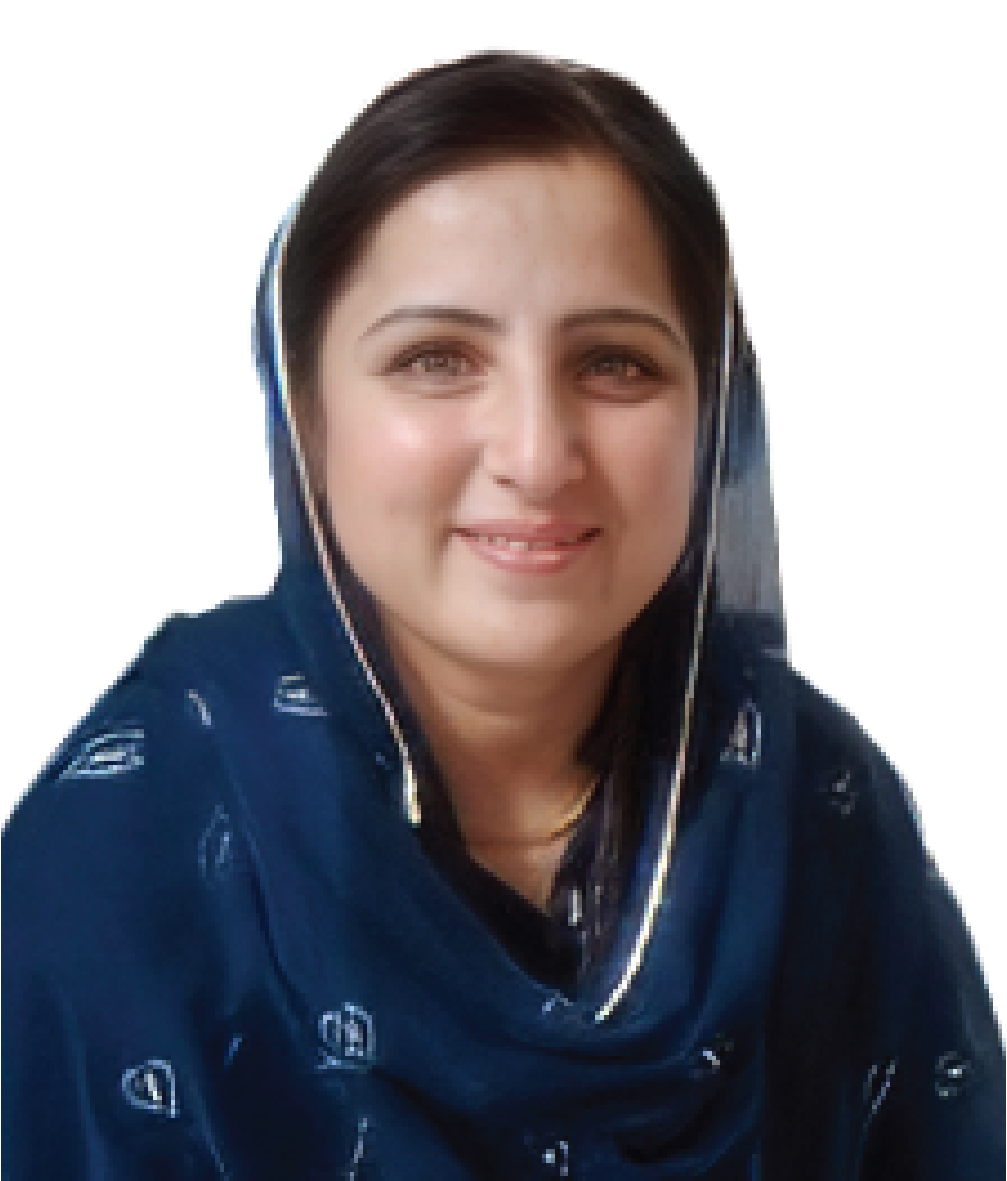
Dr. Sadia Fatima
Director KMU IHS Hazara
MBBS, PGD, PhD (Glasgow)
Dr. Salik Javed Kakar
Vice Principal at PAF-IAST
MBBS, MSc (UK), PhD (UK)
Dr. Humayoon Shafique Satti
Section Head Human Genetics
Ph.D. Biochemistry/Molecular Biology
Muhammad Ansar
PhD Department of Biochemistry, Quaid-1-Azam University, Islamabad
Dr. Aisha Mohyuddin
Dean Multidisciplinary Studies NUMS
PhD (Genetics)
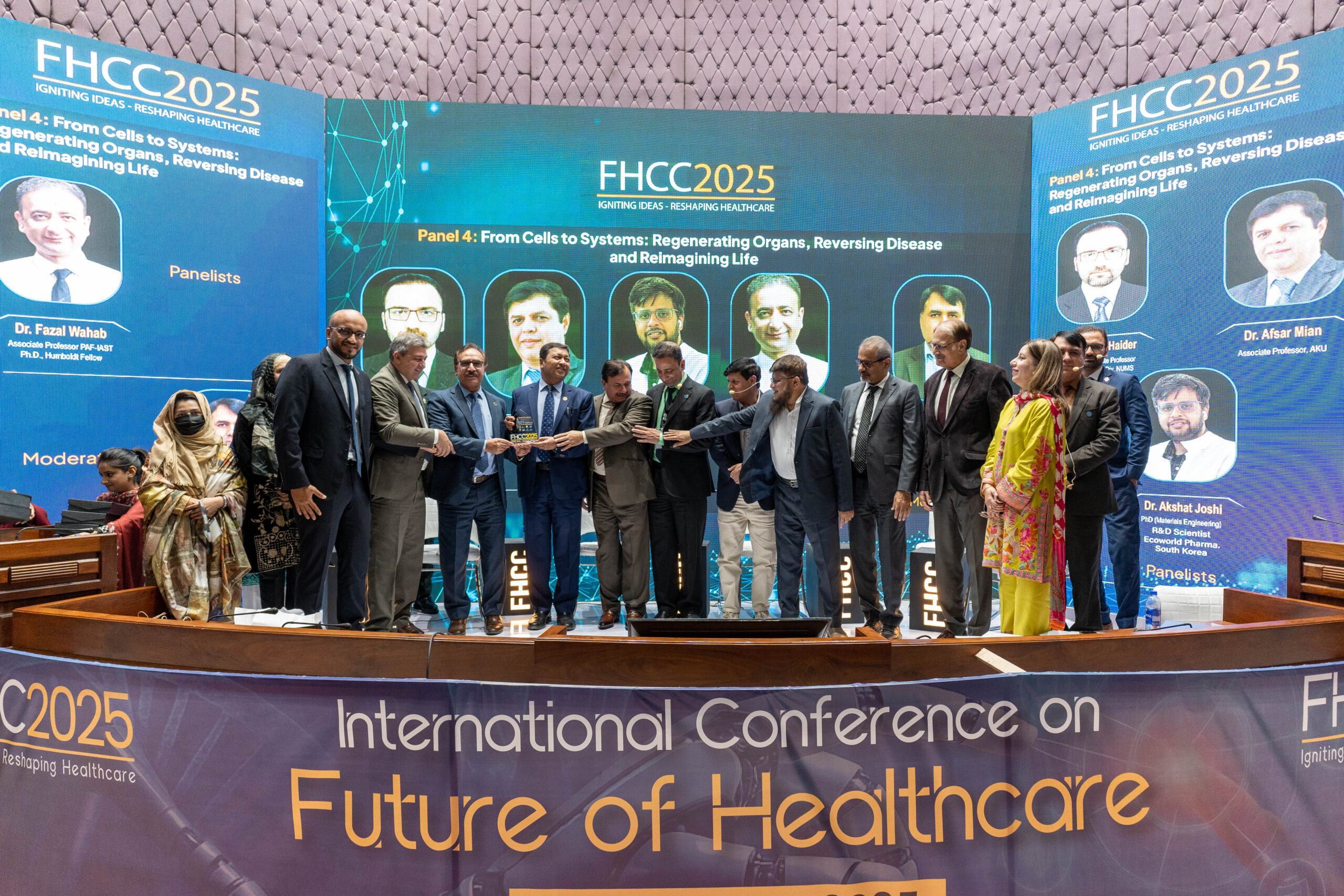
Panel 4 – From Cells to Systems: Regenerating Organs, Reversing Disease, and Reimagining Life

Dr. Fazli Wahid
Associate Professor PAF-IAST
PhD., Fulbright Fellow
Dr. Afsar Mian
Associate Professor, AKU
PhD (Hematology), MPhil (Molecular Biology), BSc (Hons) Natural Sciences
Dr. Akshat Joshi
PhD (Materials Engineering), Japan
MTech (Biomed Eng), Terasaki Institute for Biomedical Innovation, USA
Dr. Adnan Haider
Associate Professor Nanomedicine Div. NUMS
Ph.D.
Dr. Fazal Wahab
Associate Professor PAF-IAST
Ph.D., Humboldt Fellow

Gratitude to
Strategic & Industry Sponsors

Move Fast. Think Deep. Build for Life.

Innovation Sprint is the official hackathon of FHCC 2026, designed for thinkers and builders who want to turn bold ideas into real solutions. Rooted in the One Health approach, InnovationSprint brings human health, animal health, and environmental sustainability into one powerful innovation challenge.

Team Registration

Teams must be registered by this date to participate in the 2026 Competitions. Please note that registration and shortlisting vary depending on the compliance with real-world solution . The earlier you register and more chance to get sponsorship to present your idea.

At FHCC 2026, InnovationSprint becomes a space where science meets technology, and ideas meet action.

Team Registration
30
September
12:00 (UTC+4) DEADLINE
  • Clear understanding of hackathon themes and goals
  • Hands on ideation and problem framing sessions
  • Mentor led discussions and feedback rounds
  • Sponsored technology showcases
  • Networking in a relaxed, inspiring environment

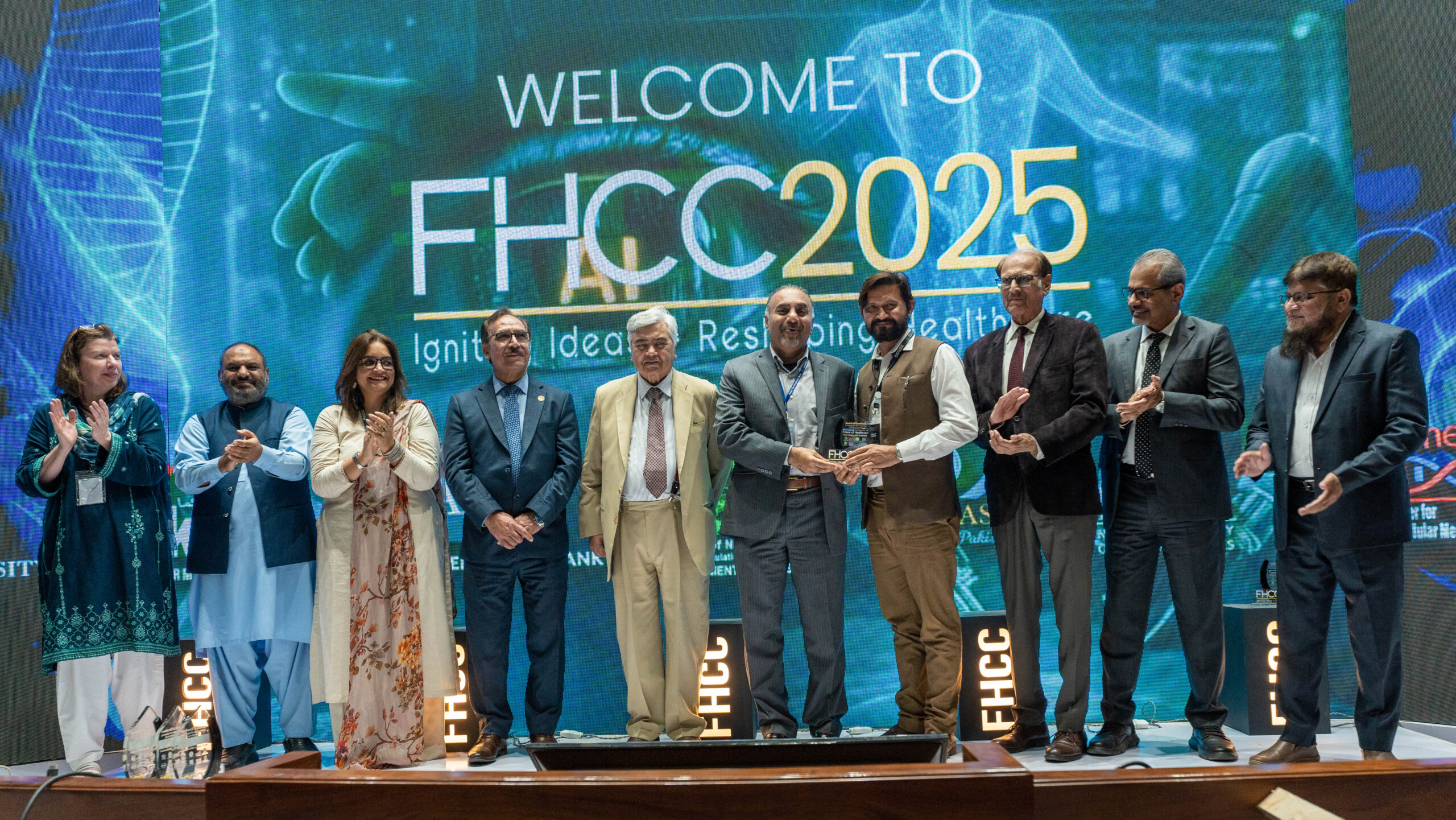
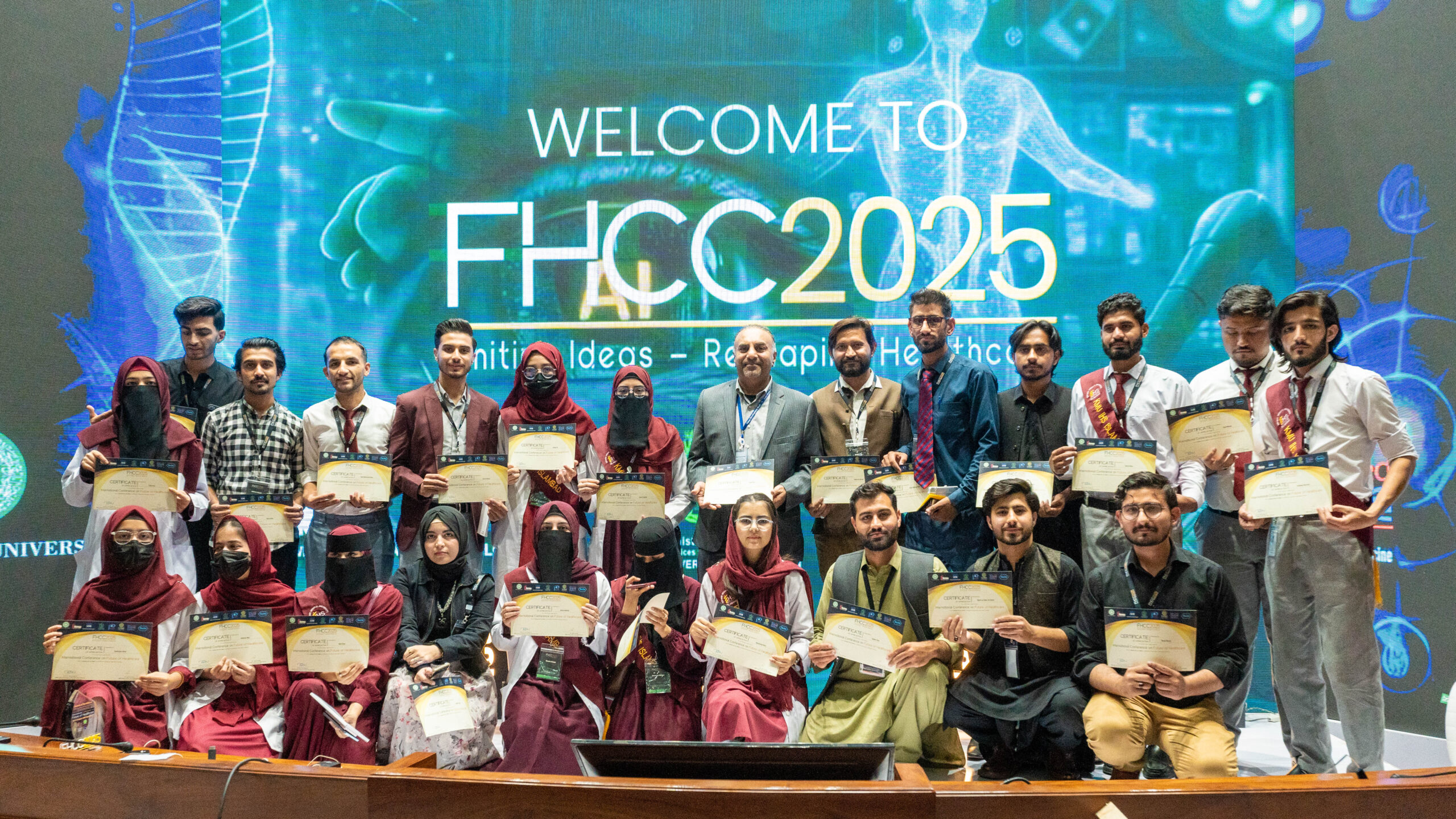
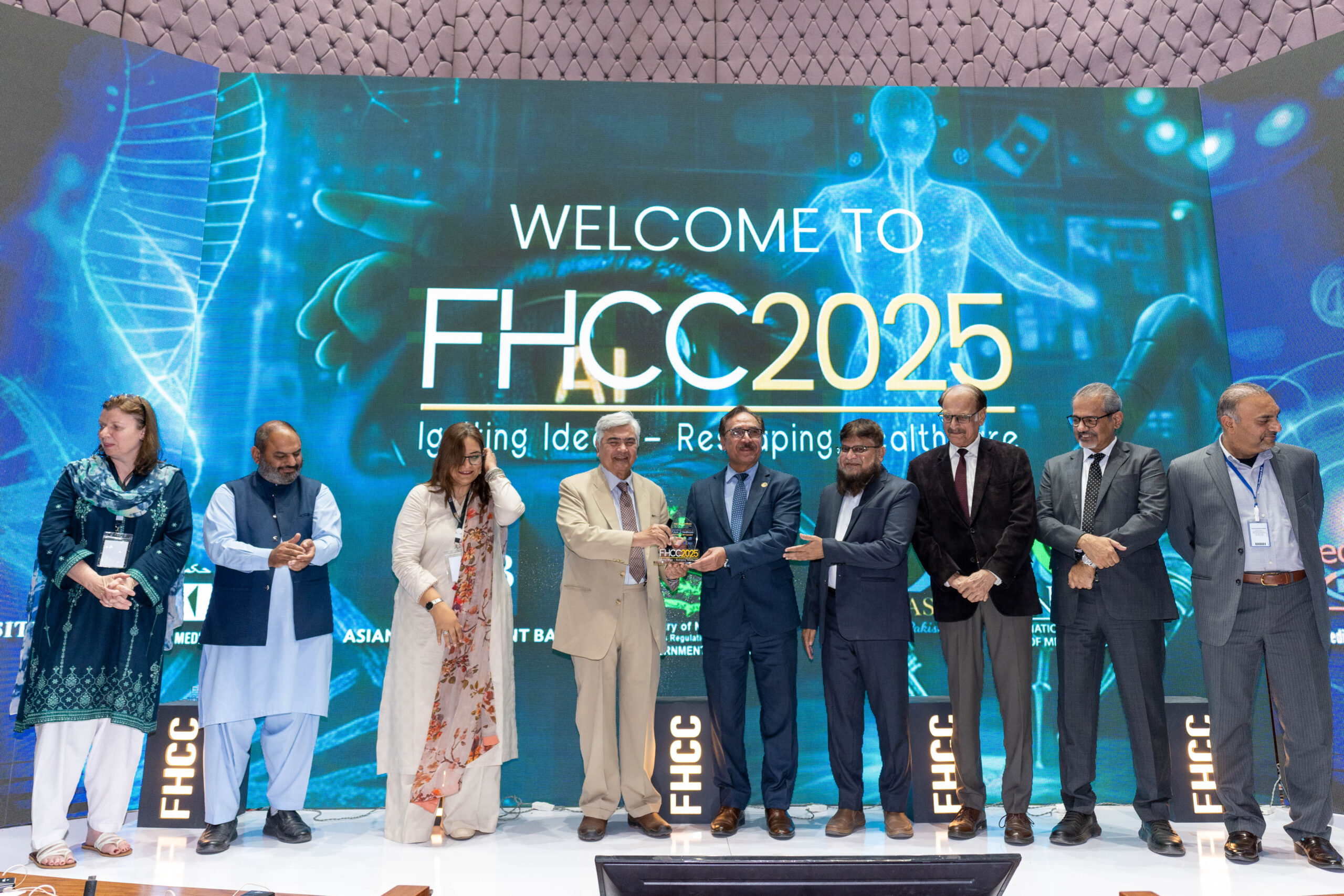
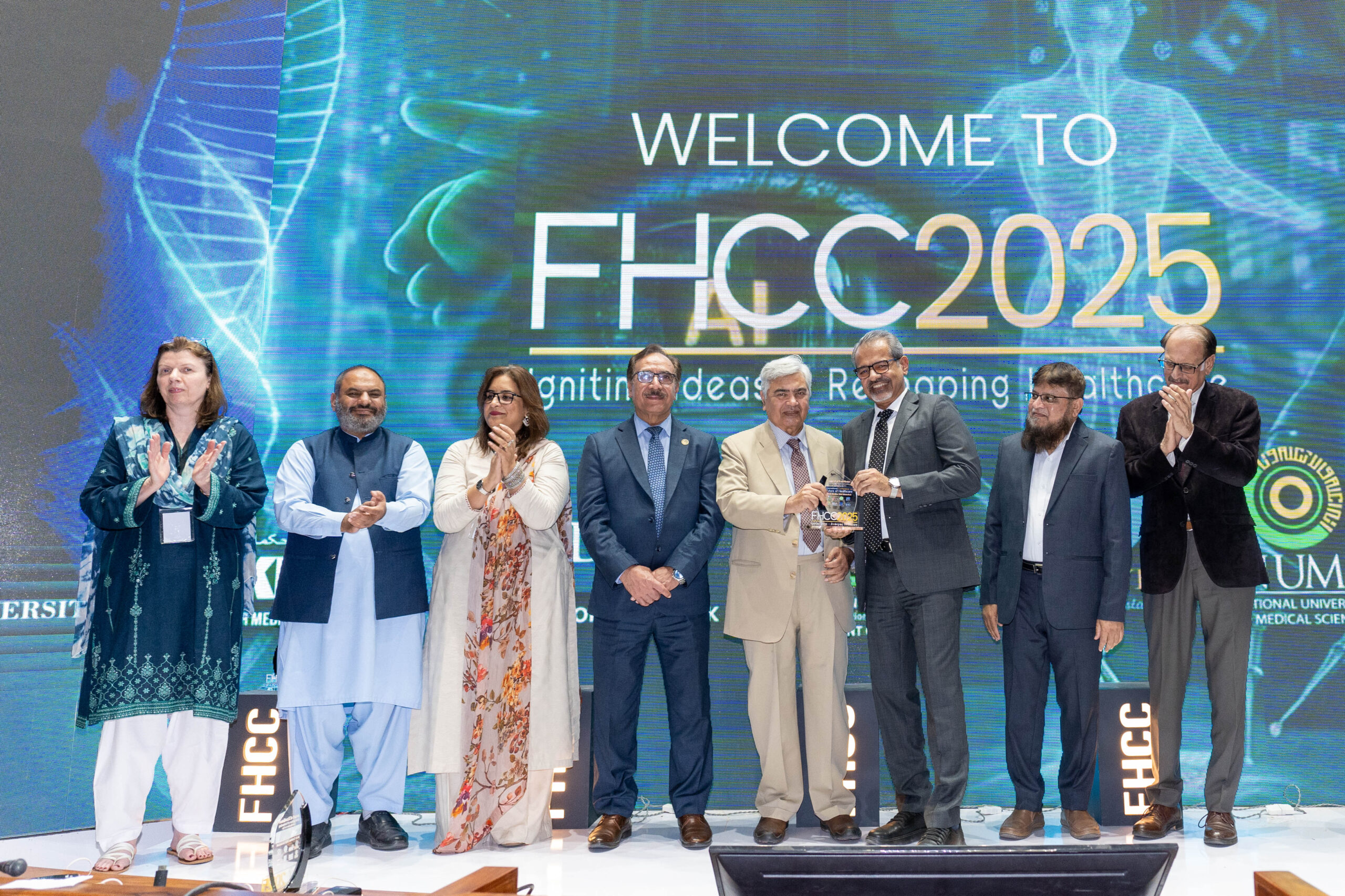
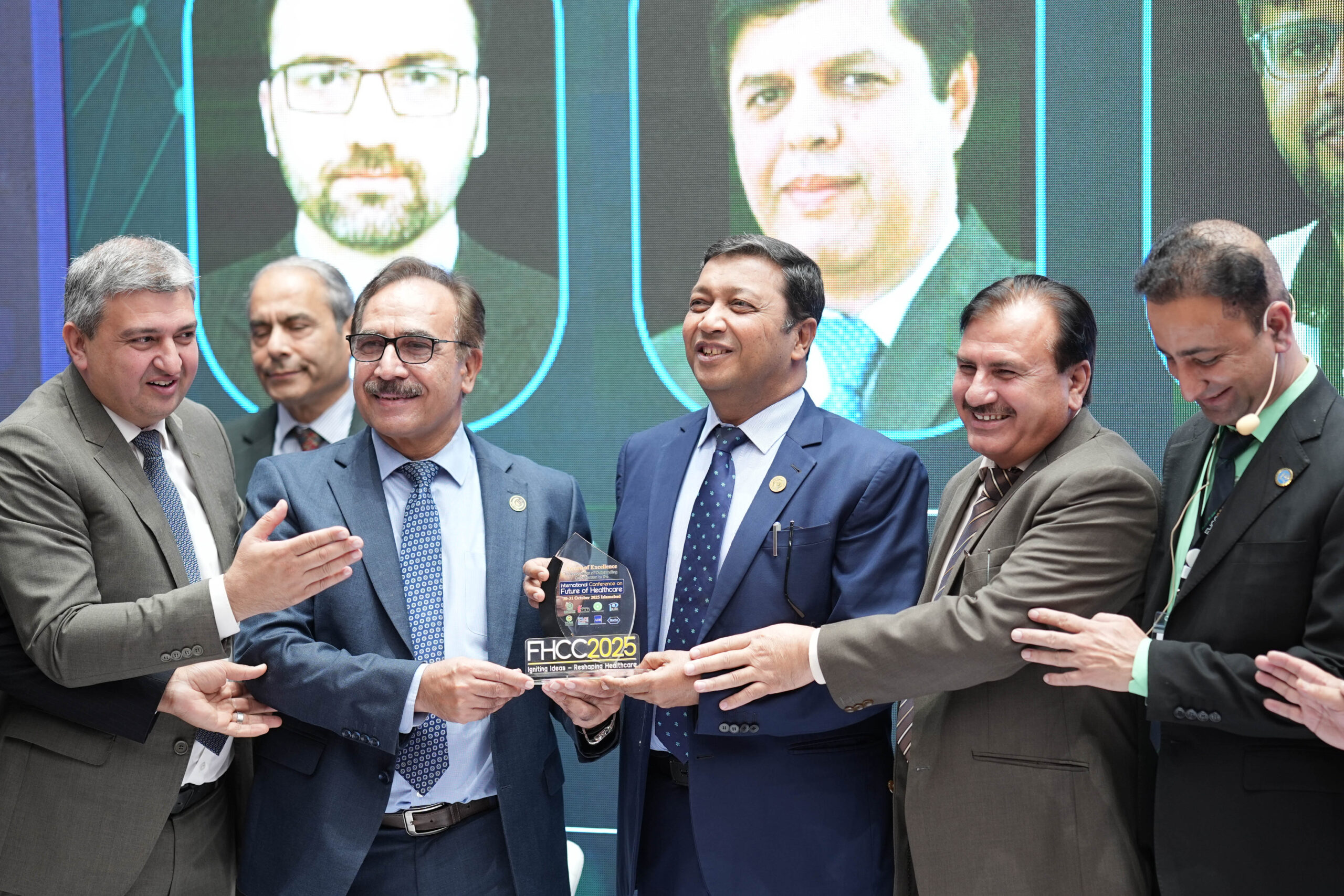
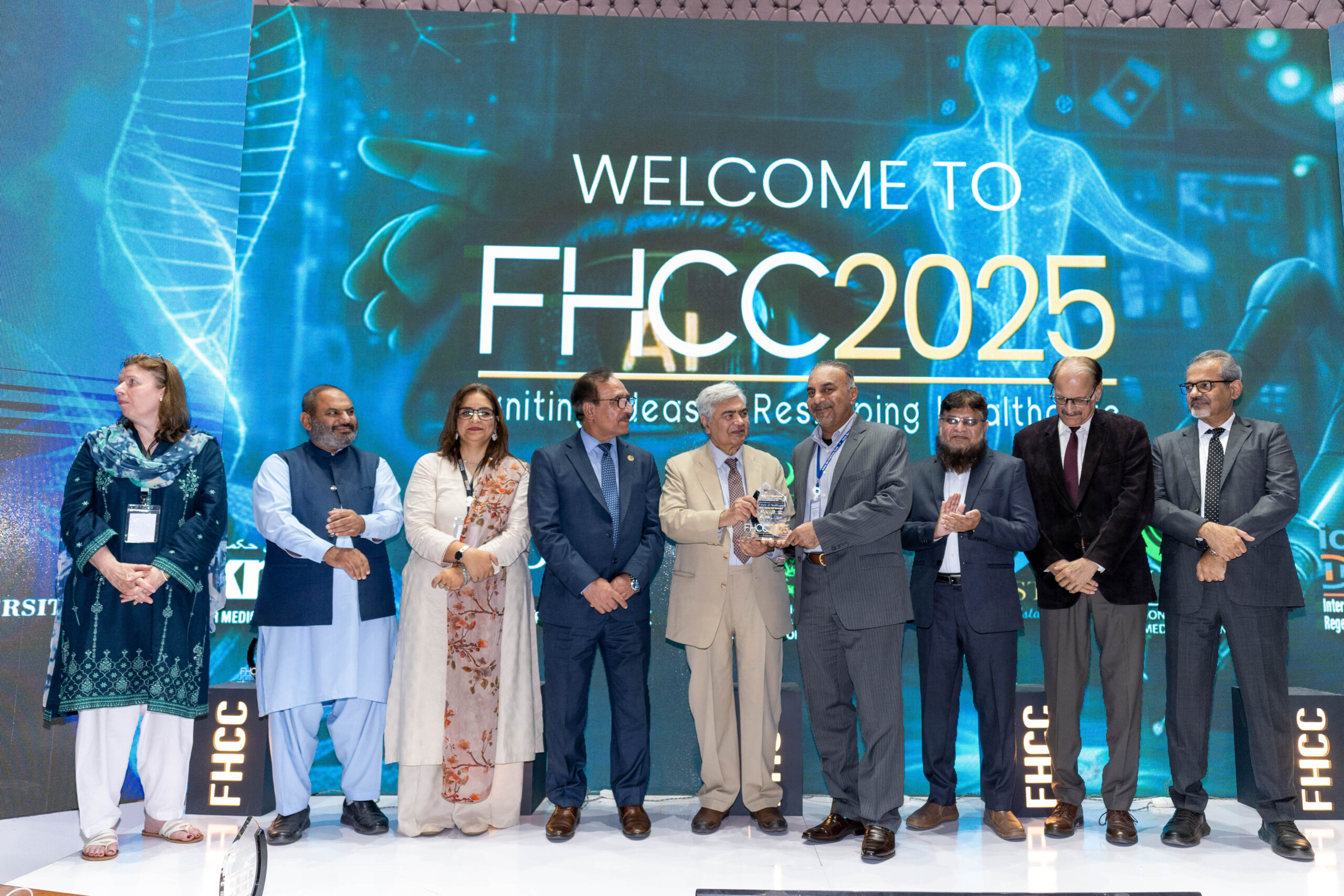
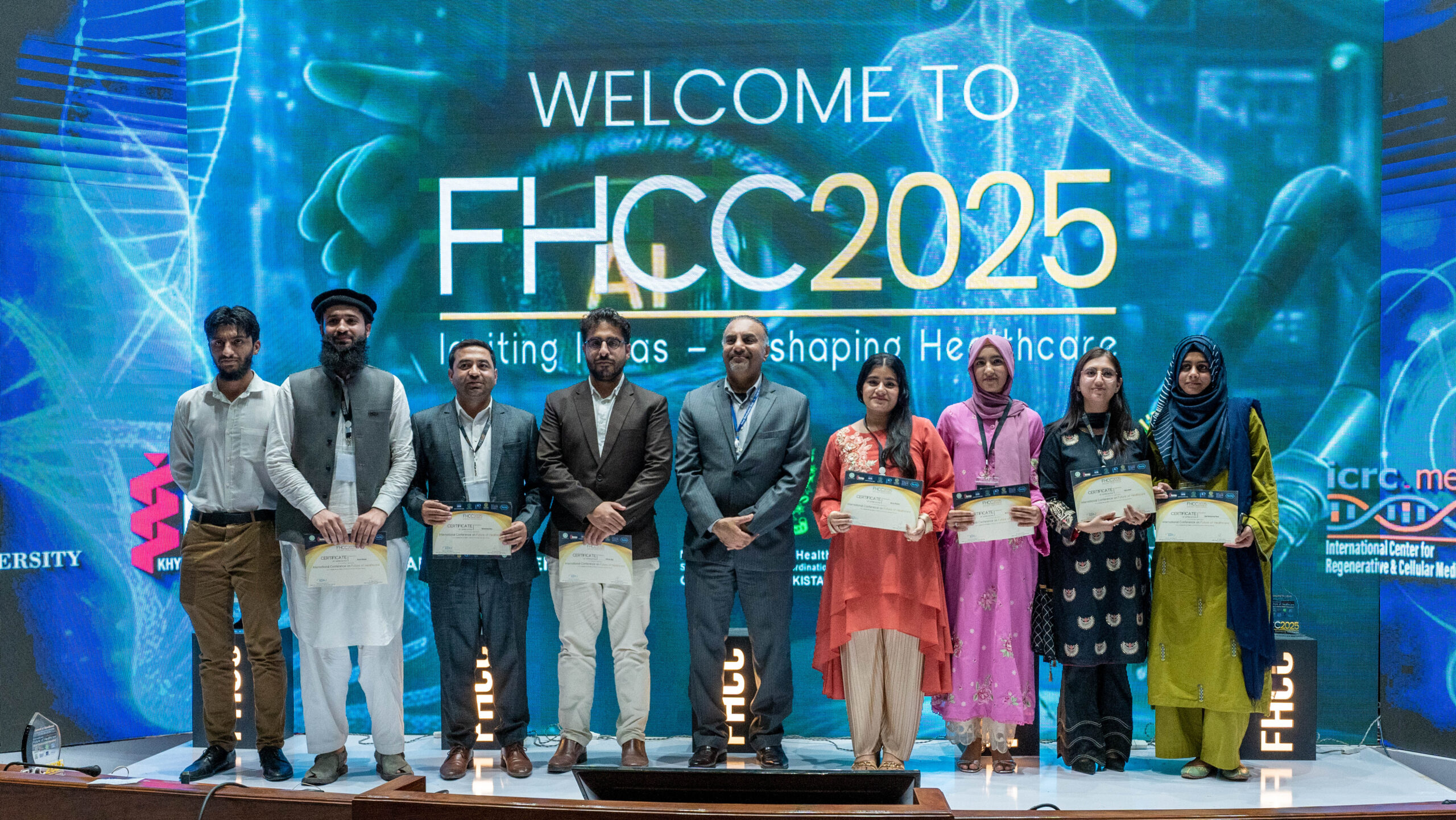
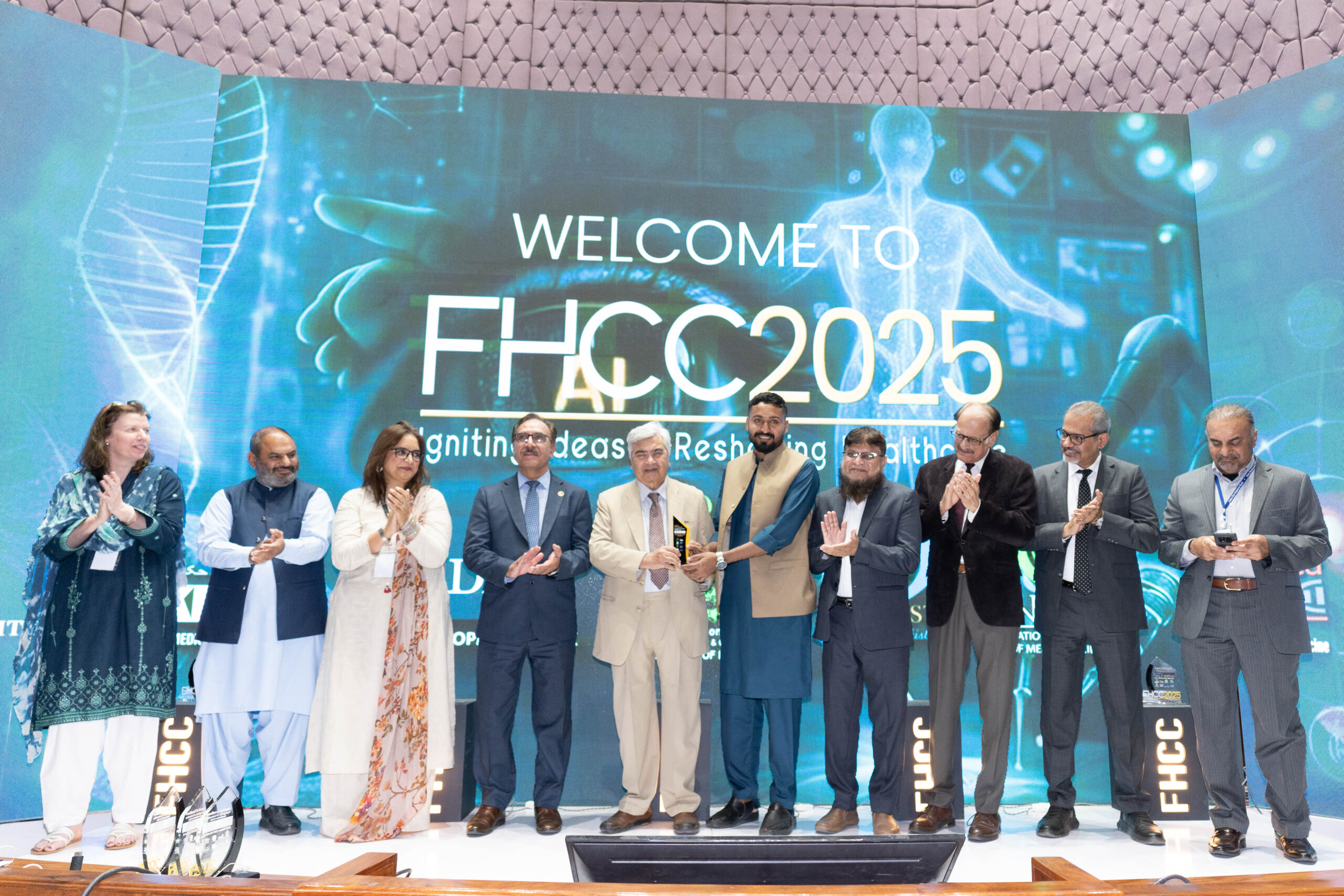
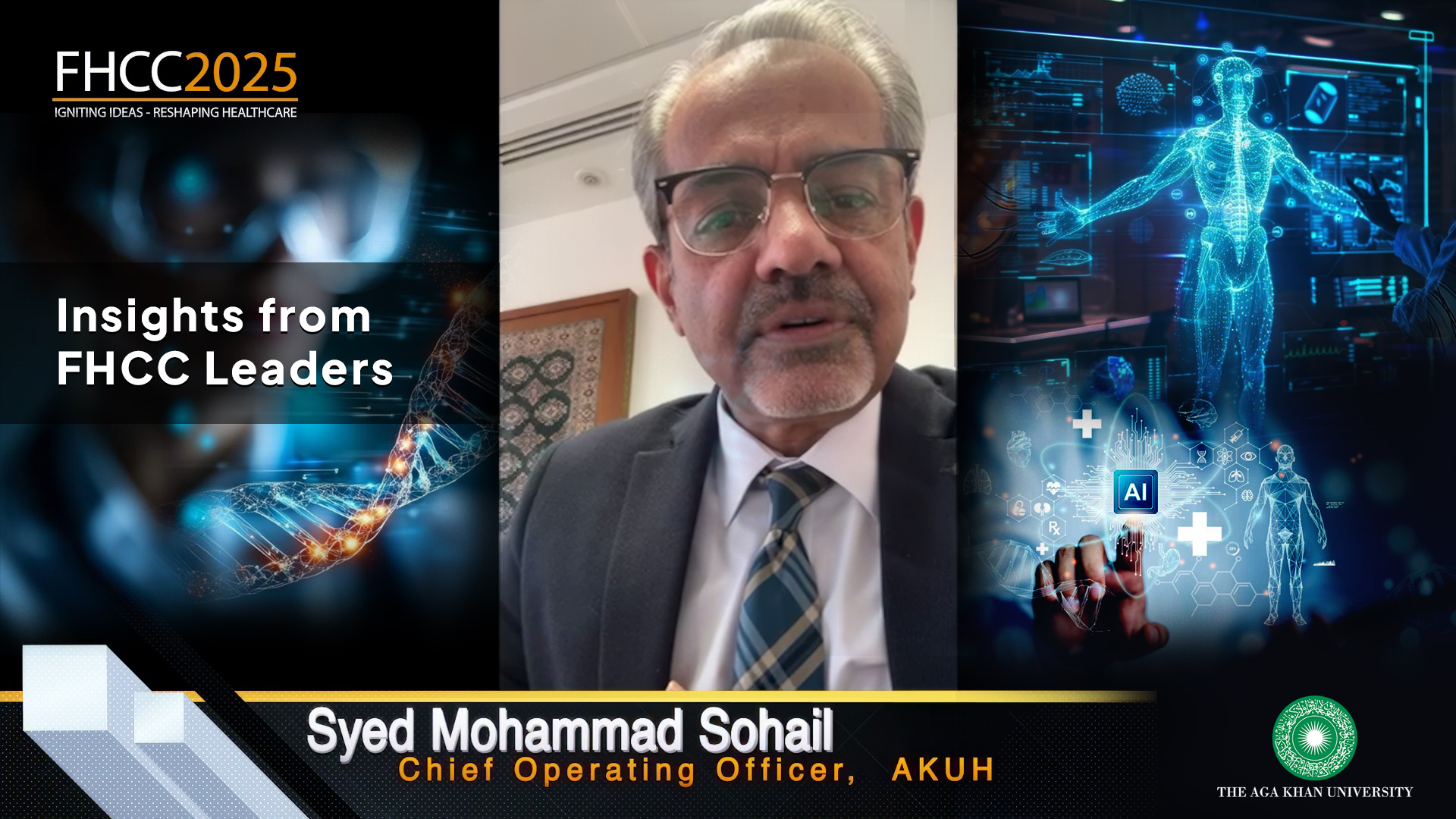
Farewell to FHCC2025
Moments That Sparked Change

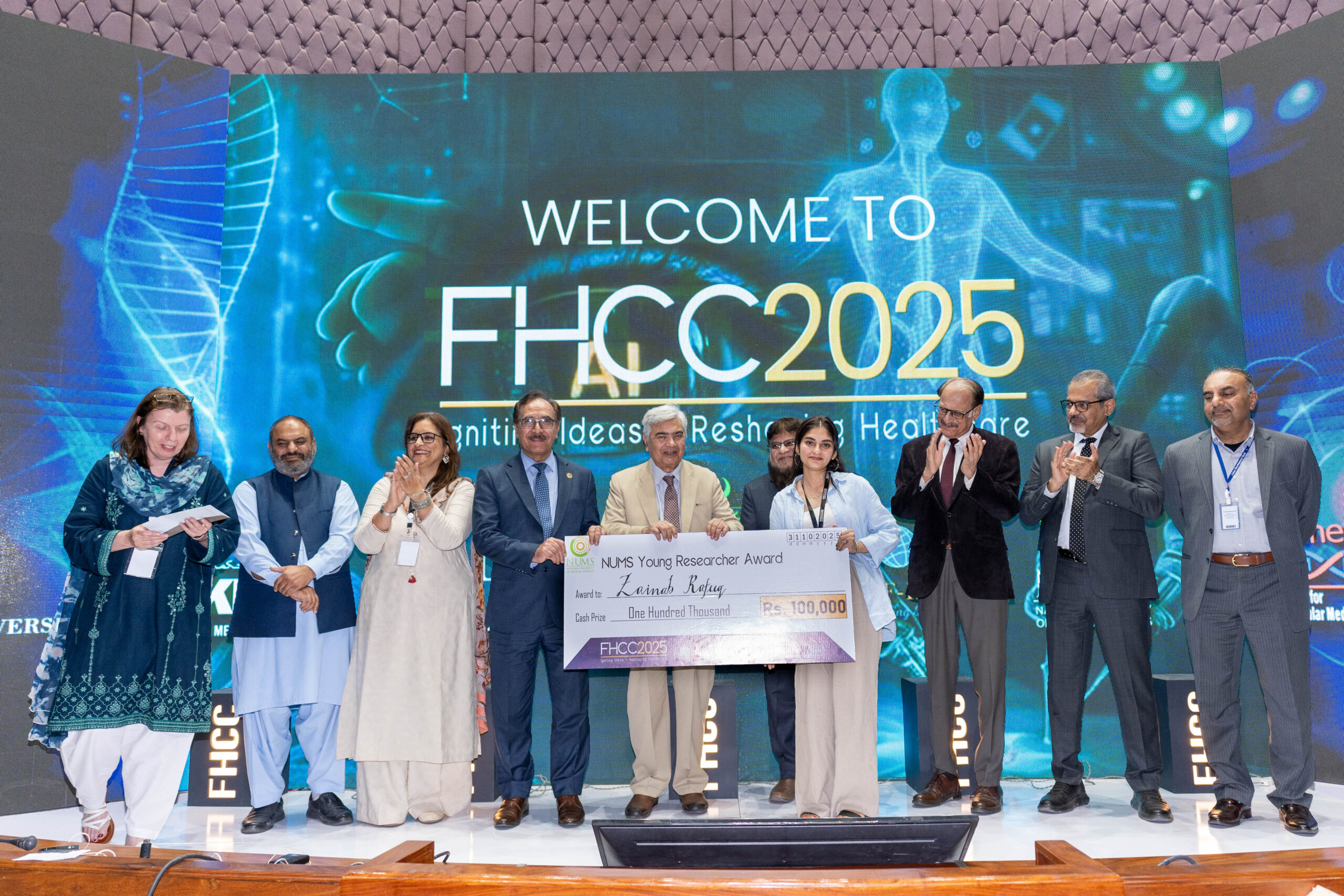
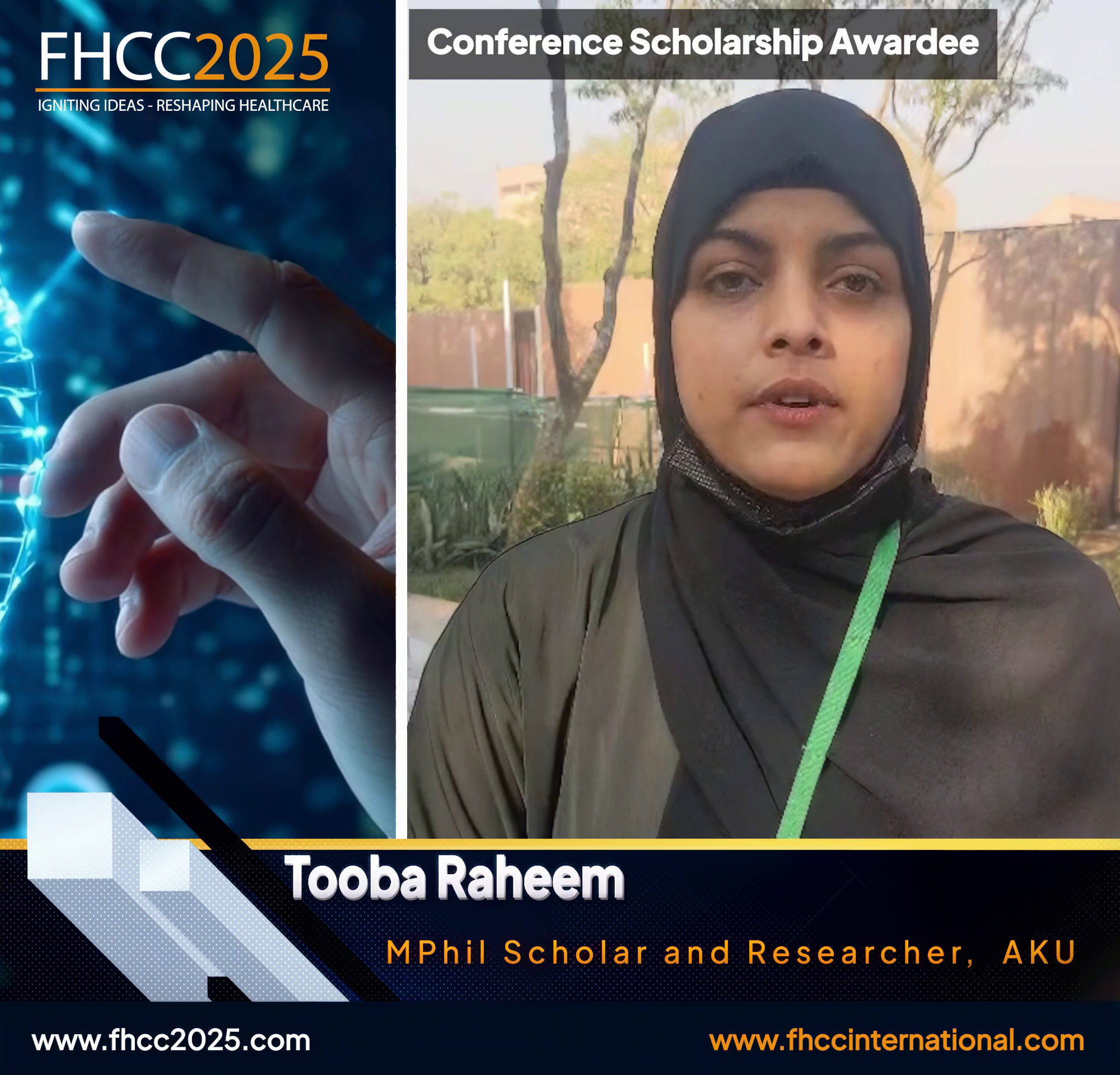
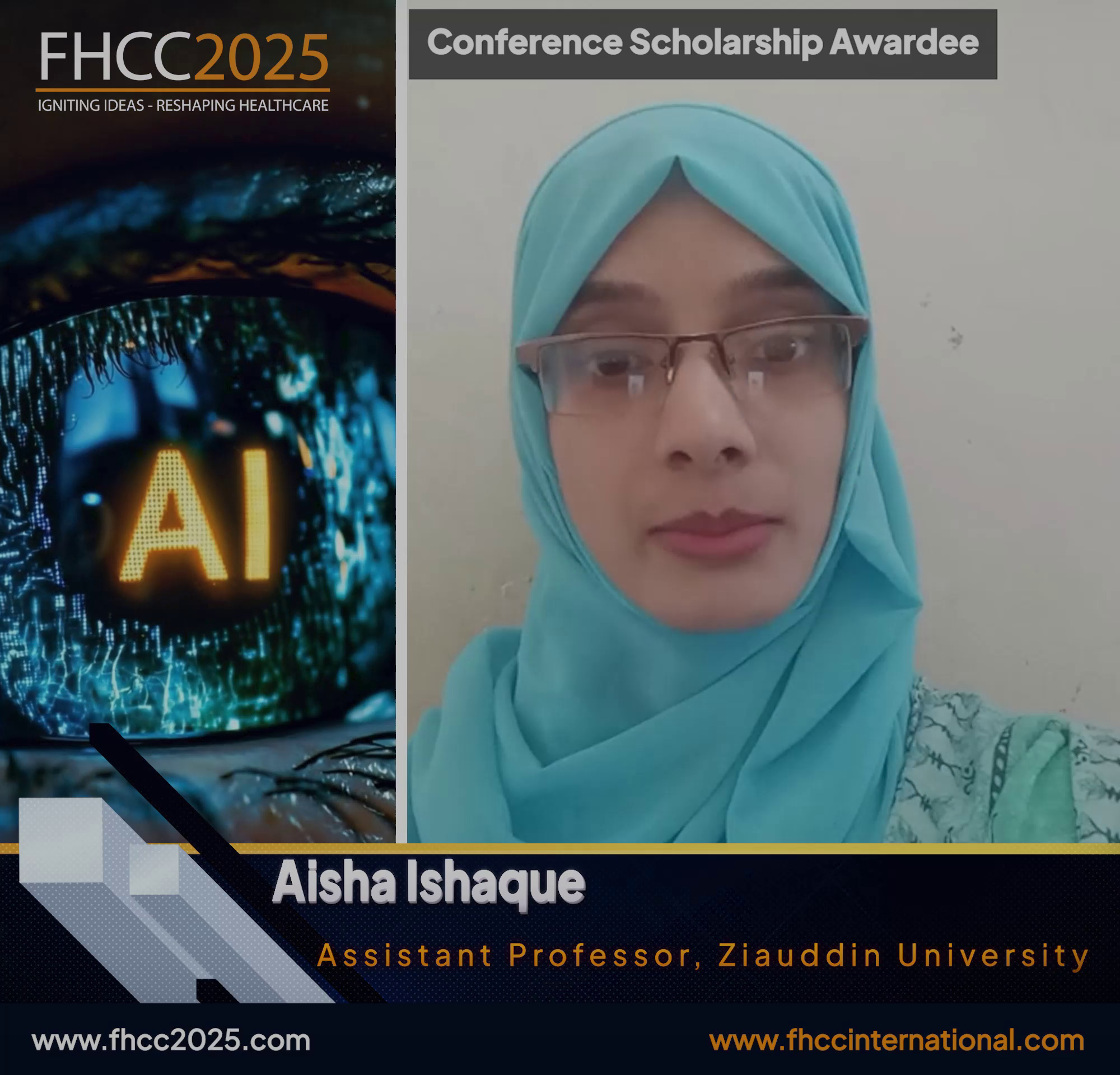
Empowering the Next Generation of Healthcare Innovators
FHCC2025 Scholarship Recipients

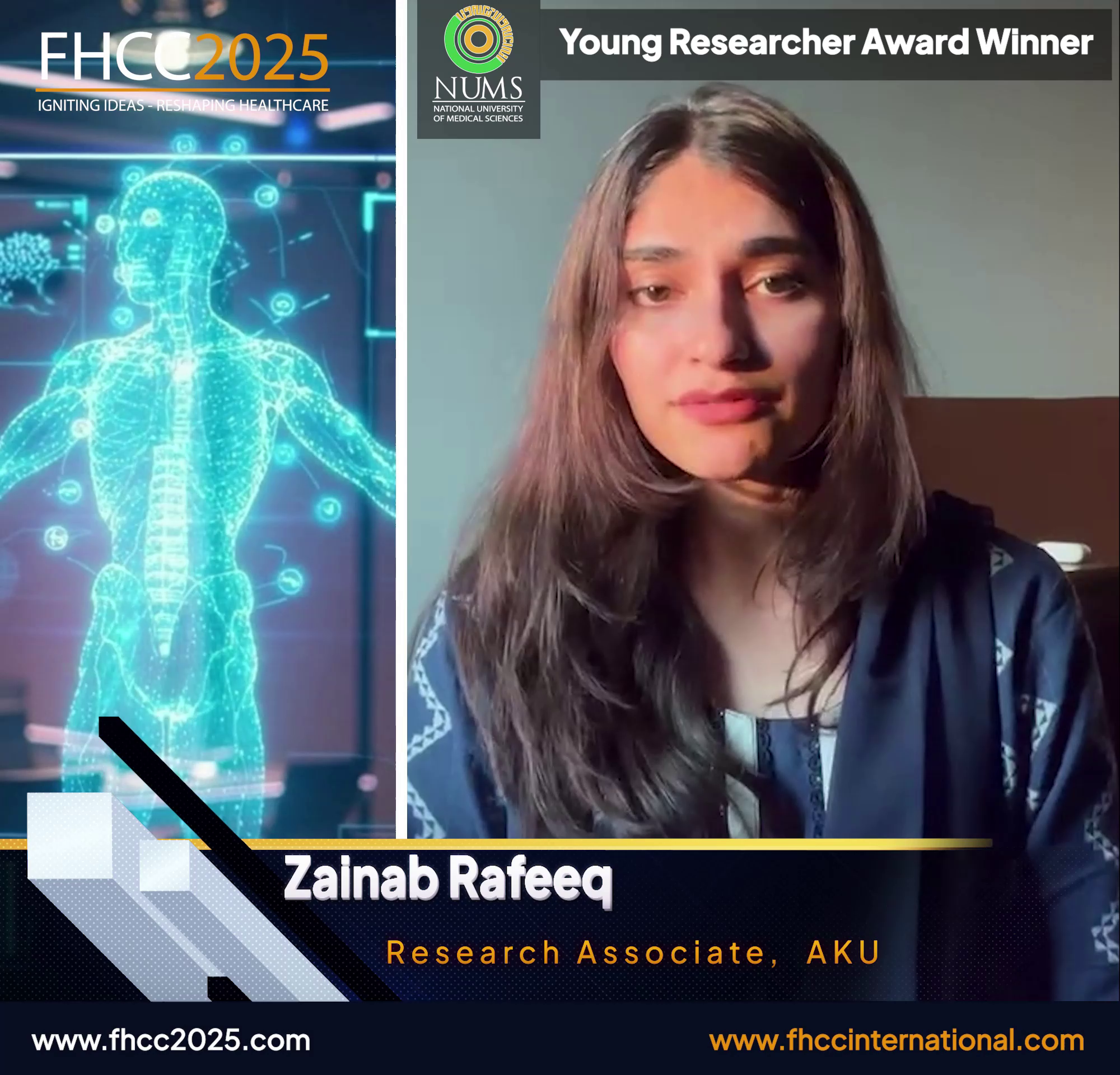
Voices & Testimonials

Watch Their Stories

Read Their Experiences

Do You Have any questions about the FHCC Conference?

Exploring breakthrough strategies to build impactful healthcare brands and understand patient needs deeply.

What is the Future of Healthcare Conference 2025 about?
FHCC 2025 is a global conference focused on emerging technologies and innovations shaping the future of medicine, including AI, genomics, telemedicine, nano medicine, and more.
Who can participate in FHCC 2025?
The conference welcomes healthcare professionals, researchers, policymakers, scientists, innovators, entrepreneurs, and students interested in advancing healthcare.
How can I register for the conference?
You can register online through the official conference website. Early registration is recommended due to limited seating.
Can I cancel my registration or request a refund?
Yes, cancellations or refund requests can be made before the event, subject to the conference’s refund policy.
Are there opportunities to submit abstracts or present research?
Yes, participants can submit abstracts for oral or poster presentations. Selected research will be featured in scientific sessions.
Will there be workshops or exhibitions?
Yes, the conference includes workshops, interactive sessions, and an exhibition area showcasing health technologies and innovations.

Stay Connected:
For Insights & Updates

    No worries, we won’t spam your inbox

    1 k
    1 k
    1 k